How to Schedule a TV to Turn On and Off Automatically
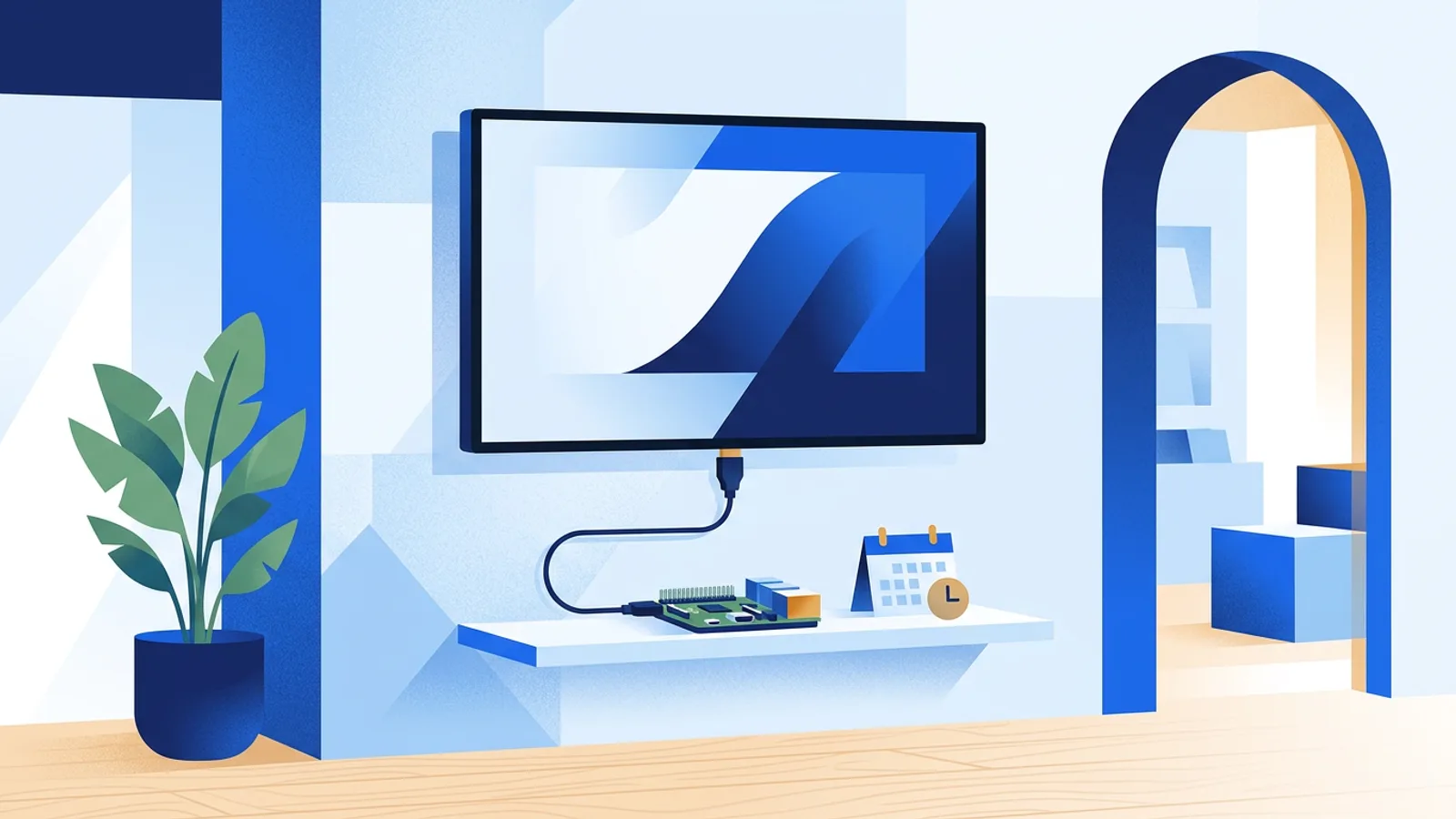
If you want to schedule a TV to turn on and off automatically, you have three realistic options: the TV's built-in sleep timer, a smart plug with a schedule, or HDMI-CEC commands sent from a small computer attached to the TV. For anything running unattended, like a lobby display, a menu board, or a shop window, HDMI-CEC is the one that holds up over months of daily use, and it's the method built into a Raspberry Pi signage setup.
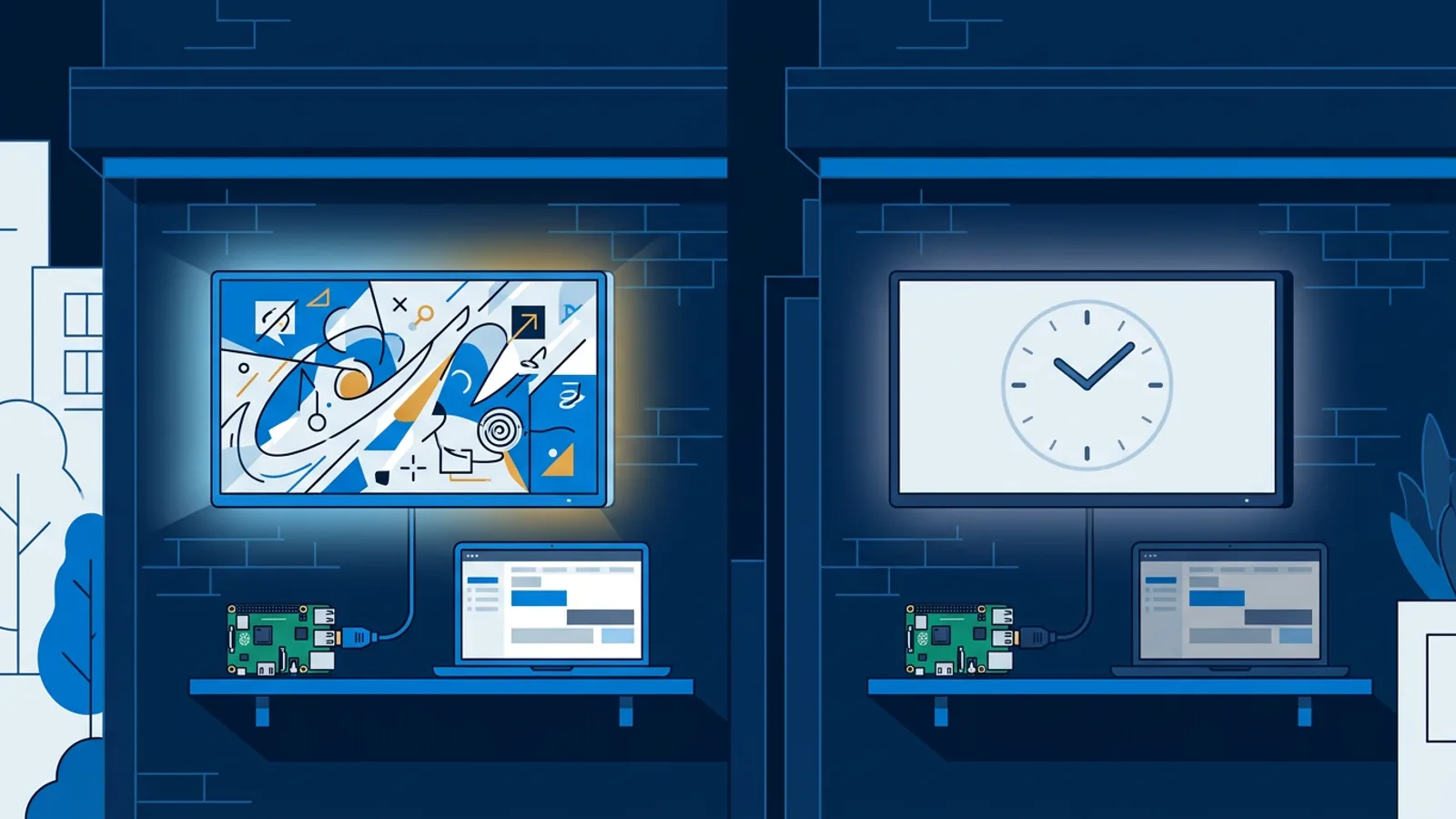
A TV that's left on 24/7 burns power for no reason overnight, and panels age faster the more hours they're lit. A TV that relies on someone remembering to switch it off at closing time will eventually get left on all weekend. Automating it removes the human step entirely.
We'll walk through what each method does, where it breaks down, and how to set up a proper HDMI-CEC power schedule using a Raspberry Pi, which is the approach behind Raspberry Pi digital signage setups that need to run unattended for months at a time.
Why bother scheduling TV power at all
Three practical reasons come up again and again:
- Electricity cost. A commercial display panel left on 16 extra hours a day adds up over a year, especially with several screens.
- Panel life. LCD and OLED panels both degrade with total on-hours. Cutting unnecessary overnight runtime extends the useful life of the screen.
- Looking professional. A dark, obviously-off screen after hours looks intentional. A screen stuck on a frozen menu or a stray mouse cursor looks broken.
None of this requires anything exotic, just a TV that reliably turns off when nobody needs it and turns back on before the next business day starts.
Three ways to schedule a TV on and off
| Method | How it works | Reliability for signage | Notes |
|---|---|---|---|
| TV's built-in sleep timer | Set in the TV's own menu | Weak | Usually a single one-shot timer, resets after a power cut, varies by TV model and firmware |
| Smart plug with a schedule | Cuts mains power to the TV | Moderate | Works on any TV, but a hard power cut skips the TV's proper shutdown and can shorten component life over time |
| HDMI-CEC commands from a connected device | The Pi (or another CEC-capable source) tells the TV to power on/standby | Strong | TV stays in a proper standby state, boots faster, and the schedule lives in software you control |
A TV's own timer menu is fine for a single device that lives in the living room, but most sets only offer a basic on/off timer with limited flexibility, and it's easy to forget it's set at all when a TV gets unplugged and moved.
Smart plugs are a reasonable DIY fix and plenty of small businesses run signage this way. The catch is that cutting mains power is a hard shutdown, not a clean one. Most modern TVs handle this fine, but it's a rougher way to power a device down every single day compared to letting it enter standby properly.
What HDMI-CEC actually is
HDMI-CEC (Consumer Electronics Control) is a signaling feature built into the HDMI standard that lets connected devices talk to each other over the same cable that carries video. It's the same feature that lets your game console turn the TV on when you start playing, or your remote's volume buttons control a soundbar plugged into the TV. Almost every TV made in the last decade supports it, though manufacturers give it different marketing names (Anynet+, Bravia Sync, SimpLink, and others), and it sometimes needs to be enabled in the TV's settings menu.
For scheduling purposes, CEC means a small computer plugged into the TV's HDMI port can send a real "power on" or "go to standby" command, the same as pressing the power button on the remote. No extra hardware between the TV and the wall, no cutting power, and the TV goes through its normal, clean power cycle.
Setting up HDMI-CEC power scheduling on a Raspberry Pi
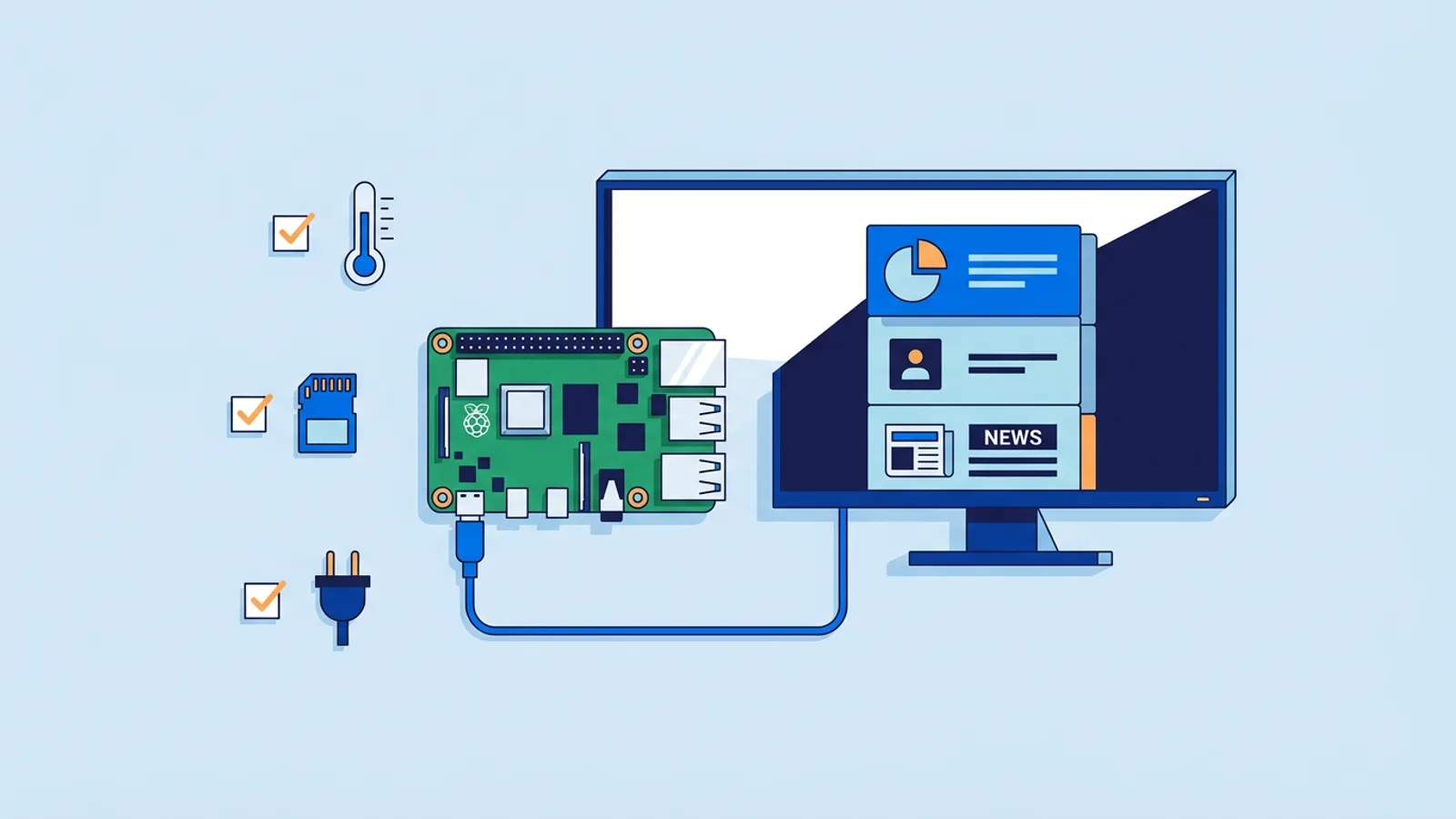
This is the method TVpilot uses for Pi-based signage players. Once a Pi is set up as a player, its power schedule is checked every minute, and it switches the TV on or to standby over HDMI-CEC automatically, so there's no smart plug or extra wiring involved.
Step by step
- Get a Raspberry Pi running Raspberry Pi OS with a desktop. A Pi 4 or 5 is recommended if you'll be showing video, but anything with a desktop environment works for images and web content. Full setup details are in the Raspberry Pi digital signage guide.
- Create a free account and generate a 6-character claim code from the dashboard.
- Run the one-command installer on the Pi (a
curl … | bashcommand generated for you), which sets up Chromium in kiosk mode, a systemd service for auto-start, a self-healing watchdog, quiet boot, and a hidden cursor. - Confirm HDMI-CEC is enabled on the TV. It's usually on by default, but if the Pi can't power the TV on, check the TV's settings menu for the CEC feature under its manufacturer-specific name.
- Set a power schedule in the dashboard, per day of week and time slot. From that point on, the player checks the schedule every minute and issues the CEC command itself. No smart plug, no separate timer app, and no manual toggling.
Because the schedule lives in the same dashboard as your playlists, you can change opening hours for a holiday or a one-off event without touching any hardware.
When a smart plug or the TV's own timer is genuinely fine
Not every setup needs HDMI-CEC. If you're just switching a single home TV off overnight and don't care about clean shutdowns, the built-in sleep timer or a cheap smart plug will do the job with zero setup cost. If you're already running signage through a smart TV's browser rather than a Pi, see our comparison of methods to display a website on a TV 24/7, where power scheduling is more limited without a connected computer.
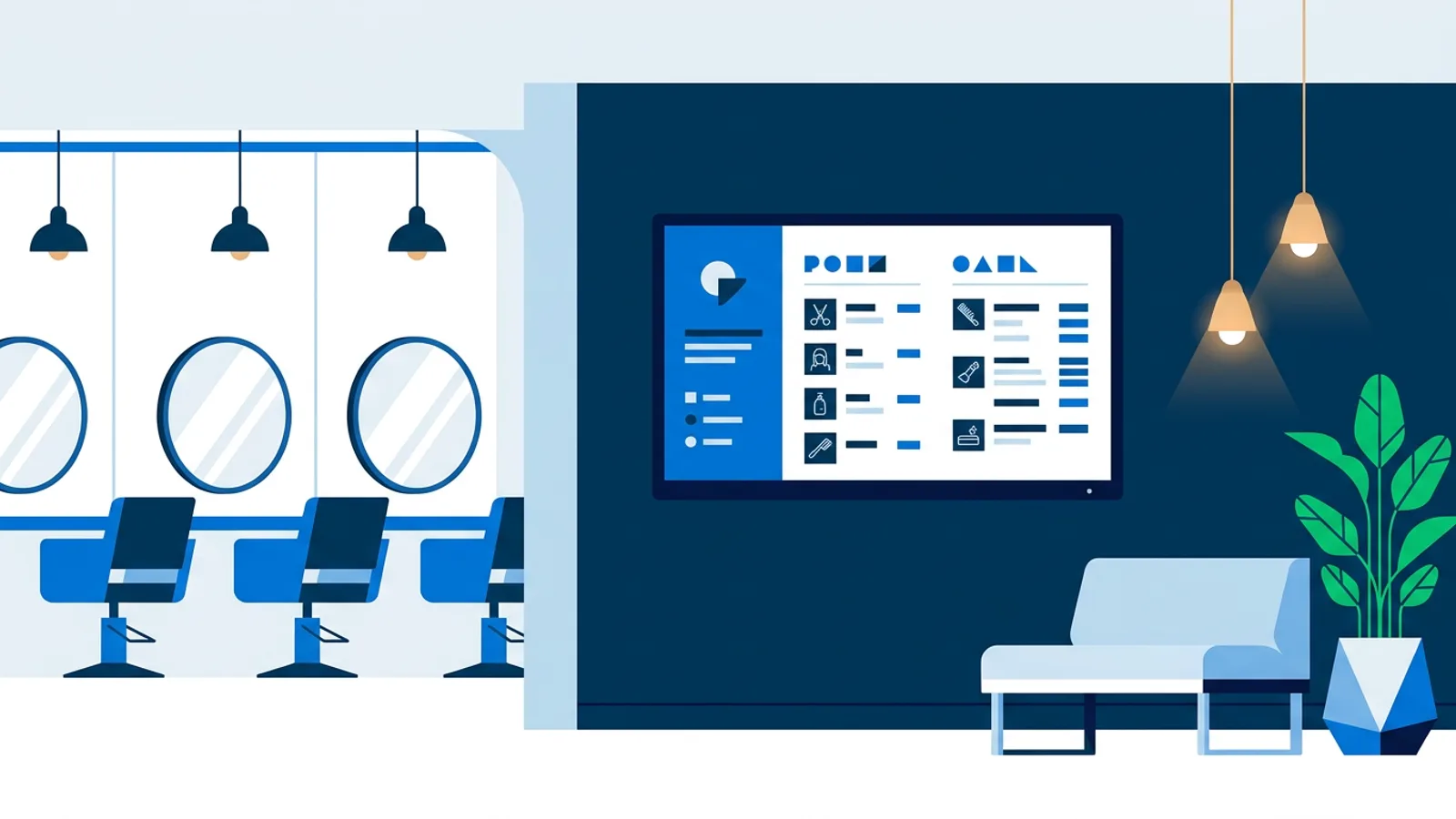
Where CEC scheduling earns its keep is anywhere the screen runs daily, unattended, for months: retail windows, menu boards, waiting rooms, office lobbies. That's also where a Pi's clean standby cycle and remote monitoring start to matter more than the few minutes it takes to set up.
Is TVpilot the right fit for this
TVpilot is a good fit if you already have (or are willing to add) a Raspberry Pi as the source device, want the power schedule managed from the same dashboard as your content and playlists, and don't need offline-only operation, since players do need an internet connection to pull updates (the Pi player reconnects automatically after an outage). The free plan covers one screen with 500 MB of storage and no credit card, which is enough to test the whole CEC scheduling flow before deciding whether to pay for more screens.
It's not the right fit if you need a fully offline, air-gapped display, if you want to self-host the software (TVpilot is hosted SaaS only), or if your only source device is a smart TV or Fire TV Stick without a Pi attached, since CEC scheduling depends on a connected computer sending the commands, not on the TV's app layer alone. For those cases, look at how the browser-only route works on our Fire TV Stick and Android TV pages.
If your screen runs the same hours every day and you're tired of someone forgetting to switch it off, HDMI-CEC scheduling on a Raspberry Pi is a low-cost way to fix that permanently. Sign up free, plug a Pi into the TV, and set your first power schedule in the dashboard alongside your playlist.
Frequently asked questions
Does every TV support HDMI-CEC scheduling?
Most TVs made in the last decade support HDMI-CEC, but manufacturers use different names for it (Anynet+, Bravia Sync, SimpLink, and others) and it's sometimes disabled by default. Check the TV's settings menu for a CEC-related option and enable it if needed.
Is a smart plug a bad way to schedule a TV's power?
Not necessarily. A smart plug works on any TV and is fine for casual use, but it cuts mains power rather than letting the TV shut down cleanly through its own standby process. For signage running unattended every day for months, HDMI-CEC through a connected device gives a cleaner power cycle without extra hardware.
Can I schedule TV power without a Raspberry Pi or extra computer?
Most TVs have a built-in sleep timer in their settings menu, which can turn the screen off at a set time, but these are usually basic one-shot timers rather than a full weekly schedule and can reset after a power interruption. For a repeatable daily schedule tied to your content, a connected device like a Raspberry Pi sending HDMI-CEC commands is more reliable.
Will the TV schedule keep working if the internet goes down?
With a Raspberry Pi player, the power schedule is checked locally on a per-minute basis, and the player is designed to recover automatically once connectivity returns after an outage. Ongoing content updates do require an internet connection, but a brief outage shouldn't stop the on/off schedule from running.